Renting vs Buying Commercial Property: Which Makes More Sense?

commercial

Choosing between renting and buying commercial property is a major decision for any business. Both options come with advantages and challenges. The right choice depends on financial goals, business stability, and long-term plans. For offices to rent in Sandton, for instance, renting offers flexibility while buying provides ownership and potential growth in value. Understanding how each option works can help businesses make decisions that align with their needs.

Understanding the Basics of Renting

Renting commercial property allows businesses to use a space without owning it. This option requires less upfront capital. It also provides flexibility, especially for growing or changing businesses. Leases define the terms of use. These agreements outline rent, duration, and responsibilities. While renting reduces long-term commitment, it also means limited control over the property. Renting can be a practical choice for businesses that need to adapt quickly. It allows them to relocate or adjust space as needed. This flexibility can be valuable in uncertain or competitive markets.

The Benefits of Buying Property

Buying commercial property offers ownership. This means the business has full control over the space. It can modify the property to suit its needs without landlord restrictions. Ownership also provides the potential for value growth. Over time, property may increase in worth. This can create an asset that supports financial stability. In addition, mortgage payments may eventually replace rent. Once the loan is paid, the business owns the property outright. This can reduce long-term costs and provide security.

Financial Considerations and Costs

Financial factors play a central role in this decision. Renting usually involves lower initial costs. However, payments continue for as long as the lease exists. Buying requires a larger upfront investment. This includes down payments, taxes, and maintenance costs. While these expenses are higher at the start, they may lead to long-term benefits. Cash flow is also important. Renting can free up capital for other business needs. Buying may tie up funds, but it can build equity over time. Careful evaluation of finances helps ensure that the chosen option supports the business without creating unnecessary strain.

Flexibility vs Stability

Flexibility is one of the main advantages of renting. Businesses can adjust their location or size based on changing needs. This is useful for companies that are still growing or testing markets. Buying offers stability. It provides a fixed location and reduces uncertainty about lease renewals or rent increases. This can be beneficial for established businesses with long-term plans. The choice between flexibility and stability depends on the stage of the business. Each option supports different priorities and goals.

Long-Term Impact on Business Growth

The decision to rent or buy can affect long-term growth. Renting allows businesses to remain adaptable. This can support expansion or relocation as opportunities arise. Buying can strengthen a financial position. Property ownership can become a valuable asset. It may also provide opportunities for additional income, such as leasing unused space. However, ownership also comes with responsibilities. Maintenance, repairs, and management require time and resources. These factors should be considered when evaluating long-term impact.

Risk and Market Conditions

Market conditions influence both renting and buying decisions. Economic changes can affect property values and rental rates. Renting reduces exposure to market fluctuations. Businesses are not directly affected by changes in property value. However, rent increases can still occur. Buying involves greater risk. Property values may rise or fall. This can affect the overall investment. Understanding market trends helps businesses make informed choices. It allows them to assess potential risks and benefits more accurately.

Renting and buying commercial property each offer distinct advantages. Renting provides flexibility and lower initial costs. Buying …

Read more →

The Growing Demand for Managed IT Services: Why Businesses Are Making the Switch

IT service

In today’s fast-paced digital landscape, businesses are constantly seeking ways to enhance their operations and stay ahead of the competition. One trend that has emerged as a game-changer is the shift toward managed IT services. As companies increasingly rely on technology to drive growth, many are discovering the advantages of outsourcing their IT needs. The demand for these services is soaring, and it’s easy to see why. Managed IT services offer comprehensive support tailored to meet specific business requirements. They provide an array of solutions from network monitoring to data backup allowing organizations to focus on what they do best while leaving technical challenges in capable hands. This growing interest reflects a broader recognition that effective technology management can significantly impact productivity and success.

Understanding Managed IT Services

Managed IT in Perth encompasses a range of proactive support solutions designed to optimize and maintain an organization’s IT environment. Rather than merely reacting to issues as they arise, these services focus on prevention and efficiency. Companies partner with managed service providers (MSPs) who take charge of everything from software updates to cybersecurity protocols. This allows businesses to access specialized expertise without needing a full-time in-house team.

Benefits of Managed IT Services for Businesses

benefits

Managed IT services provide a wealth of advantages for businesses looking to streamline operations. By outsourcing technology management, companies can focus on core functions while leaving IT complexities to the experts. One key benefit is access to specialized knowledge. Managed service providers (MSPs) have teams equipped with the latest skills and certifications. This expertise translates into higher-quality support and innovative solutions tailored to individual business needs.

Cost Savings and Efficiency

Switching to managed IT services can lead to significant cost savings for businesses. Instead of investing in expensive hardware and software, companies can allocate funds more effectively through a predictable monthly fee. This approach minimizes overhead costs. Businesses no longer need to hire full-time IT staff or deal with unexpected expenses related to system failures or security breaches. Managed service providers handle these responsibilities efficiently. Efficiency is another key advantage. With specialized teams focused on maintaining and optimizing systems, issues are resolved faster than internal teams often manage alone.

Enhanced Cybersecurity Measures

As cyber threats grow more sophisticated, businesses must prioritize robust security measures. Managed IT services offer a proactive approach to safeguarding sensitive information. These providers implement advanced tools and strategies tailored to each organization’s needs. Regular updates and patches are part of the routine, ensuring systems remain secure against emerging vulnerabilities. Moreover, continuous monitoring means potential threats can be identified and neutralized before they escalate. This level of vigilance is often challenging for in-house teams juggling multiple tasks.

Scalability and Flexibility

Scalability and flexibility are at the heart of managed IT services. Businesses today need solutions that can grow with them, adapting to ever-changing demands. Managed IT providers offer tailored services that expand or contract based on your requirements. Whether you’re launching a new project or experiencing seasonal fluctuations, these services adjust seamlessly. This adaptability allows companies to maintain optimal performance without overspending on resources. You don’t have to worry about investing in infrastructure that might become obsolete quickly.

The Importance of Outsourcing IT Support

outsource

Outsourcing IT support has become a strategic move for many businesses. It allows companies to focus on core operations while leaving technical challenges to the experts. By engaging a managed service provider, organizations gain access to specialized skills and knowledge that may not exist in-house. This expertise can lead to quicker problem resolution and improved system performance. Moreover, outsourcing offers flexibility. Businesses can scale their IT resources according to current needs …

Read more →

How Virtual Receptionists Enhance Customer Service in the Digital Age

communicate

In the fast-paced landscape of the digital age, businesses are redefining customer service with innovative solutions. Among these advancements, a virtual receptionist emerges as an integral asset, reshaping the customer experience landscape. Aside from the convenience and cost-effectiveness they offer, virtual receptionists are redefining customer service by providing a personalized touch to interactions, streamlining processes, and facilitating efficient communication. Let’s delve into how these virtual front liners are enhancing customer service in the ever-evolving digital era.

24/7 Accessibility

CS

One of the prime advantages of virtual receptionists is their round-the-clock availability. In a globalized world where time zones dissolve boundaries, customers seek assistance beyond traditional working hours. Virtual receptionists bridge this gap, providing support and information whenever it’s needed, fostering a culture of convenience and reliability.

Personalized Interactions

Contrary to assumptions about digital services being impersonal, virtual receptionists offer a personalized touch. Utilizing advanced technologies and tailored scripts, they engage customers in meaningful conversations, understand their needs, and provide assistance that feels personalized and attentive. The result is a better customer experience that strengthens brand-customer relationships.

interaction

Streamlined Processes

With virtual receptionists handling routine tasks such as appointment scheduling, call answering, and message taking, businesses are able to streamline their processes. This not only saves time but also eliminates the chances of human error and enhances efficiency. Customers can expect quick and accurate responses, contributing to an overall positive impression of the business.

Efficient Communication

In a world where communication is key, virtual receptionists facilitate efficient and effective interactions. Through various channels such as phone, email, or live chat, customers can reach out to businesses with ease and receive timely responses. By providing quick resolutions to queries and concerns, virtual receptionists improve customer satisfaction and build trust in the brand.

The Future of Customer Service

chatbot

As technology continues to evolve, virtual receptionists are also adapting and improving. They now offer multilingual support, voice recognition software, and even chatbots for faster and more efficient communication. With their ability to learn from interactions and constantly improve, it’s safe to say that virtual receptionists are here to stay as a vital part of customer service in the digital age. So, embrace the change and leverage the benefits of virtual receptionists to enhance your customer service and stay ahead in the ever-evolving digital landscape.

Virtual receptionist services provide valuable data and insights. Through call analytics and customer feedback, businesses gain a deeper understanding of customer needs, preferences, and pain points. These insights empower businesses to refine their customer service strategies and tailor their approach for maximum impact. In today’s digitally-driven world, the role of virtual receptionists transcends mere call handling. They embody the frontline of customer service, combining technological prowess with personalized interactions to deliver exceptional experiences. As businesses embrace these advancements, they elevate their customer service standards, forging stronger connections and leaving lasting impressions in the hearts of their clientele.…

Read more →

How to Choose the Right Business Phone System

business phone system

Firms have many options when choosing a business phone system. You should note that each system comes with its VoIP features. The fact that there are hundreds of companies to choose from, you may find the process quite challenging and time-consuming.

Understand Your Options

business phoneAs noted above, there are many options available. For instance, you can select virtual phone service, analog landlines, cloud-based VoIP service, and on-premise VoIP service. Some businesses choose analog landlines. That is because many businesses have been using them for many years. Thus, they are proven to work; they are very reliable and offer high call quality. You only need to plug in your phone and start making calls. However, they require a huge investment in equipment and maintenance.
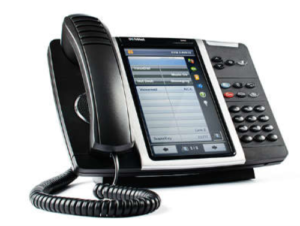
Check Plan Features

This is another important thing you ought to consider when choosing a business phone system. You need to know the different features that come with your plan. Check whether all the necessary features are included. Remember that some features are not included in the basic plan. Ensure you ask the vendor about maintenance plans, updates, and more.

Consider Cost

The truth is that cloud-based VoIP solutions are inexpensive for small businesses. Although the front-end prices may seem to be cheaper, there is a need to consider the overall cost of ownership. Ensure you take into account the cost of phones and equipment you should purchase. Remember to add up the cost of upgrades if they are required. You may also need to train your employees on using these business phone systems.

Check Existing Infrastructure

small business phoneIt is advisable to consider whether your business phone system is compatible with the existing infrastructure. For instance, does your business have old equipment that needs to be upgraded or replaced? Making such changes can help you save money and your financial resources. Remember that if you do not have in-house experts, you may need to assess the existing networks.

Determine Your Future Needs

It is advisable to check whether your current requirements can serve the needs of your future growth. Although your business is now small, it is likely to grow in the future. Thus, you could see a lot of growth and even expansion over the coming years. Also, your business might become stable in the future without any changes.…

Read more →