
The Push for Cleaner Electronic Materials
Many electronic systems contain delicate contacts and coated surfaces. Small amounts of volatile siloxanes from silicone materials can sometimes interfere with these parts over time. In high-performance equipment, even tiny contamination issues may create reliability concerns. Manufacturers therefore prefer materials that reduce unwanted residue inside enclosed devices. Silicone-free fillers answer that demand without throwing thermal performance out the window. It is similar to cooking in a clean kitchen because fewer leftovers usually mean fewer future problems.
Heat Management Is Becoming More Difficult
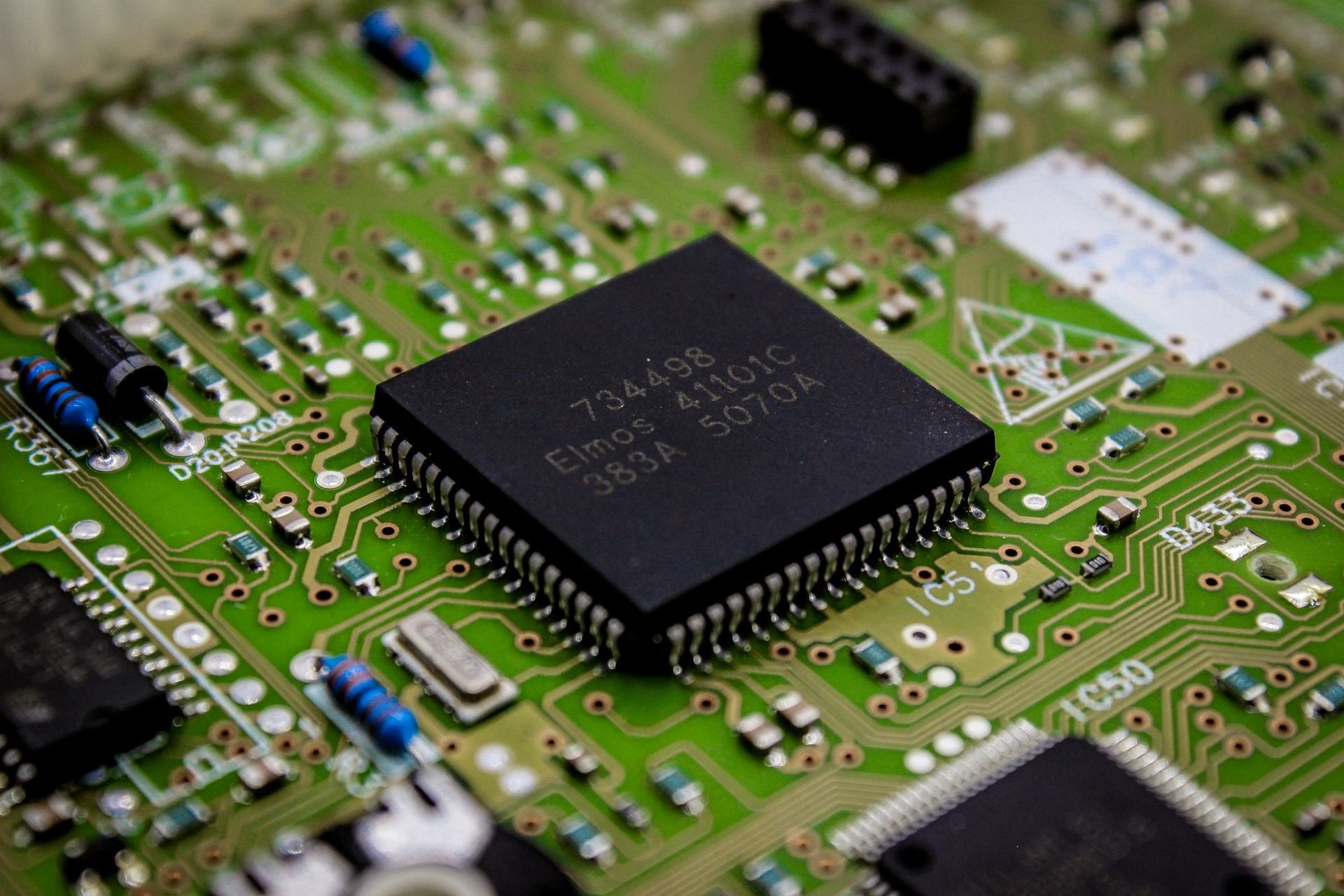
Modern processors generate large amounts of concentrated heat in very small spaces. Cooling systems now face tighter layouts and higher power loads than before. A weak thermal interface can trap heat like a traffic jam during rush hour. That heat buildup may shorten component lifespan or reduce operating stability. Silicone-free compounds help move thermal energy away from chips, modules, and battery systems more effectively. Engineers value this because overheating can quietly damage electronics long before visible failure appears.
Manufacturers Want Long-Term Reliability
Reliability matters more than flashy specifications in many industries. A thermal material may perform well at first but fail after years of stress and repeated heating cycles. Silicone-free products are often chosen for applications where long service life matters deeply. Industrial electronics, renewable energy equipment, and transportation systems all depend on stable operation. Engineers also appreciate materials that support paint compatibility and sensitive electrical connections. Nobody wants expensive hardware to quit early like a tired marathon runner stopping halfway through the race.
Electric Vehicles Are Driving Demand
Electric vehicles rely heavily on stable temperature control. Battery packs, inverters, and power modules all create substantial heat during operation. If temperatures climb too high, efficiency and durability can suffer quickly. Silicone-free thermal fillers are gaining interest because they fit well inside systems that require low contamination levels. Many automotive manufacturers also want materials that remain dependable during vibration and changing weather conditions. In fast-moving EV development, thermal materials are no longer background actors sitting quietly behind the curtain.
Silicone-free thermal gap fillers are gaining attention because electronic systems are becoming more demanding every year. Companies now care about contamination control, efficient heat transfer, and long-term reliability at the same time. These materials help support sensitive electronics without relying on silicone-based compounds that may release volatile siloxanes. Their growing use in electric vehicles and power electronics reflects broader changes across the industry. Heat management is no longer a side issue hidden in product development meetings. It now sits front and center like the engine in a race car, pushing engineers to find smarter thermal solutions.